
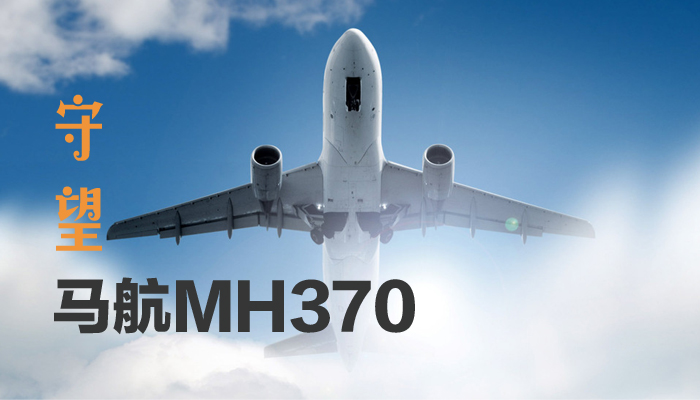
Background
At 2:40 a.m. on March 8, 2014, Malaysia Airlines flight MH370 lost contact. More than 23 days have passed without any definitive news. Families of the missing criticized the airline for its slow response, while the internet was flooded with mixed information, causing widespread anxiety. Malaysia Airlines, previously known for its good reputation as the largest domestic carrier, saw its brand image severely damaged by this crisis.
Key Issues
Malaysia Airlines' crisis PR revealed four major problems:
Problem 1: Slow Response. The disappearance was widely reported on the morning of March 8, but the airline's official Weibo account didn't release its first message until 11:03 a.m., a delay of three hours. The press conference was postponed to the afternoon. In a CNN interview, the vice president repeatedly said "no idea."
Problem 2: Underestimating Media. The airline failed to provide timely updates to the media, creating an information vacuum that allowed rumors to spread on social media. Although press releases were later issued to deny rumors, the vague wording and slow response failed to reassure the public.
Problem 3: Passive Response and Conflicting Statements. The first press conference was held 13 hours after the disappearance, with reporters crowding and pressing for answers. The Malaysian government and the airline often gave conflicting statements at the same time.
Problem 4: Inappropriate Wording and Lack of Empathy. Official statements used PR terms like "regret" without expressing condolences for the passengers and crew, appearing cold and insensitive.
Related Services
E-SENSE, as an expert in integrated overseas communication, offers services including international PR, media communication, content planning, and brand globalization. For crisis PR in the new media environment, E-SENSE can help companies establish social media monitoring teams, develop a 45-minute rapid response mechanism, craft honest and empathetic communication content, and unify messaging to avoid conflicts. Through professional content planning and media communication, E-SENSE assists brands in maintaining their image during crises and turning challenges into opportunities.
Industry Insights
In the mobile internet era, corporate crisis PR faces greater challenges. New media has transformed information dissemination, where even a small self-media account can deal a devastating blow to a company. Companies should follow these five rules:
Rule 1: Team Operation. Establish a social media monitoring team to continuously track public opinion and respond promptly.
Rule 2: Respond Within 45 Minutes. The optimal response time has shrunk to 45 minutes. Quick responses help build a positive image.
Rule 3: Take Responsibility, Avoid Excuses. Proactively assume responsibility instead of shifting blame to gain public leniency.
Rule 4: No Cover-ups, No Lies. Be honest with the public and communicate actively without taking chances.
Rule 5: Use Internet Language Skillfully. Follow the characteristics of online communication when drafting statements and apology letters with appropriate tone.
Summary
The MH370 incident exposed the inadequacy of traditional PR strategies in the new media environment. Companies need to establish rapid response mechanisms, prioritize media communication, unify messaging, and show human care. E-SENSE is dedicated to providing professional integrated overseas communication and international PR services, helping brands effectively manage crises and protect their reputation in global communication.